A science- and data-driven website created by a New Jersey high school student to help residents understand PFAS contamination, evaluate risks, and take meaningful action.
⭐What Are PFAS?
What are PFAS?
PFAS, or per- and polyfluoroalkyl substances, are a large group of synthetic chemicals often referred to as “forever chemicals” due to their persistence in the environment and the human body.
Why are PFAS a concern?
Scientific studies have linked PFAS exposure to cancer, immune system suppression, developmental harm, and other long-term health effects, even at very low concentrations.
Why New Jersey?
New Jersey is among the states most affected by PFAS contamination, due to decades of industrial activity, military installations, and legacy pollution impacting drinking water systems.
⚠️ PFAS in New Jersey — Key Facts
- Environmental Working Group’s (EWG) interactive map shows that New Jersey has approximately 556 drinking water systems reporting PFAS concentrations above the proposed federal limit—the highest number in the nation. (Newsweek)
- New Jersey ranks #2 in the U.S. for PFAS in drinking water. During 2019-2021 63% NJ community water systems detected PFAS at least once, and these systems serve 84% of the population using public water. (ABC News)
- Some wells in Paulsboro, Gloucester County, New Jersey, recorded among the highest PFNA levels ever reported globally, and an industrial source was later identified. (NJDEP)
- Of private wells sampled in New Jersey, 11.2% contained levels above the State drinking water standard (Maximum Contaminant Level, MCL) for at least one of the PFAS tested. (NJDEP)
- PFAS contamination spans the I-95 corridor from North Jersey to Philadelphia’s suburbs. Industrial zones, landfills, airports, and firefighting training sites are major hotspots.
- Communities of color in NJ are significantly more likely to be served by water systems with PFAS detections.
- Legacy contamination, especially in groundwater, may persist for decades.
News Updates
-
Toxic PFAS levels cut in half in NJ’s drinking water, researchers find -NJ Spotlight News
New Jersey drinking water has seen PFAS (“forever chemicals”) levels cut roughly in half, according to a Rutgers-led study analyzing long-term data. Researchers attribute the decline to early regulatory actions and water system interventions, though concerns remain about health impacts, private wells, and the persistence of unregulated PFAS compounds. 🔗 Read the full report
April 3, 2026 -
Over 2,200 private wells in New Jersey have unsafe PFAS levels —NJ 101.5
The article reports widespread contamination of private wells in New Jersey by PFAS “forever chemicals.” Testing shows more than 2,200 wells exceed safe drinking-water standards, with some counties reporting contamination in over one-third of wells. The chemicals pose serious health risks, prompting state monitoring efforts and financial assistance programs for affected homeowners. 🔗 Read the…
February 10, 2026 -
Governor Signs Greenstein & Smith’s ‘Protecting Against Forever Chemicals Act’
Governor Phil Murphy signed legislation sponsored by Senators Linda Greenstein and Bob Smith, which will ban the intentional addition of perfluoroalkyl or polyfluoroalkyl (PFAS) substances in three categories of consumer products, and will require notice for products containing the substances. 🔗 Read the full report
January 12, 2026
Blog Updates
-
Key Structural Problems in TSCA
The Toxic Substances Control Act (TSCA), the primary federal law governing industrial chemicals, has historically suffered from major structural limitations that restricted the federal government’s ability to identify and regulate hazardous substances. When TSCA was first enacted in 1976, it included a grandfather clause that automatically allowed thousands of existing chemicals to remain on the…
May 5, 2026 -
Federal Regulation of PFAS: Progress and Limits
PFAS contamination has rapidly emerged as one of the most pressing environmental and public health challenges in the United States. Although comprehensive federal regulation of PFAS only began to emerge around 2019, the issue has gained strong bipartisan political support. Both the Donald Trump administration and the Joe Biden administration have treated PFAS contamination as…
November 23, 2025 -
Delayed PFAS Regulation
Concerns about PFAS contamination did not suddenly emerge in recent years. In fact, evidence of potential health risks dates back several decades. As early as the 1960s and 1970s, major chemical companies such as DuPont and 3M had already conducted internal toxicology studies on PFOA, one of the most widely used PFAS chemicals. These studies…
October 2, 2025
Education & Outreach
Community Education
Public presentations translating PFAS research into accessible knowledge.
Library Programs
Teen-led science communication initiatives hosted in public libraries.
Education Resources
Materials for students and residents exploring PFAS and environmental policy.
🔍 Quick Navigation
→ PFAS 101: Understand the Basics
Simple explanations of PFAS chemistry, uses, exposure routes, and health impacts.
→ Check PFAS Levels Near You
Enter your ZIP code to explore local water system data.
→ How to Reduce Exposure
Practical steps for households, including filter options and product guidance.
📘 Recommended Reading
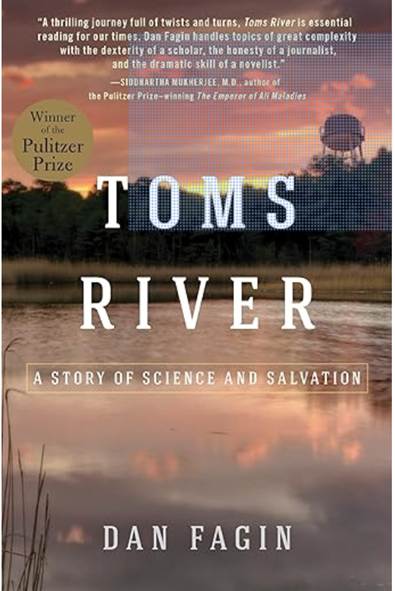
Toms River: A Story of Science and Salvation
A Pulitzer Prize–winning investigation of toxic chemical pollution and childhood cancer in New Jersey—providing historical context for today’s PFAS crisis.
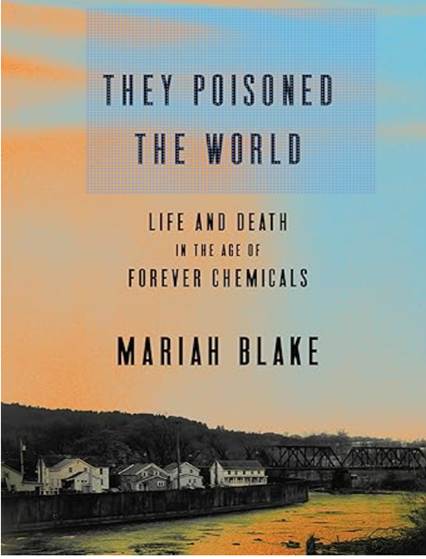
They Poisoned the World: Life and Death in the Age of Forever Chemicals (A WASHINGTON POST BEST BOOK OF THE YEAR)
A gripping investigation of the chemical industry’s decades-long campaign to hide the dangers of forever chemicals (PFAS), told through the story of a small town on the frontlines of an epic public health crisis.