
Some Hotspots of PFAS in New Jersey
PFAS contamination in New Jersey is widespread and not limited to a single source or location. The following examples highlight several well-documented PFAS hotspots that illustrate different contamination pathways, including industrial manufacturing, legacy pollution, and firefighting foam use. These cases are illustrative rather than exhaustive, as many additional communities across the state have reported PFAS detections in drinking water and groundwater.
01
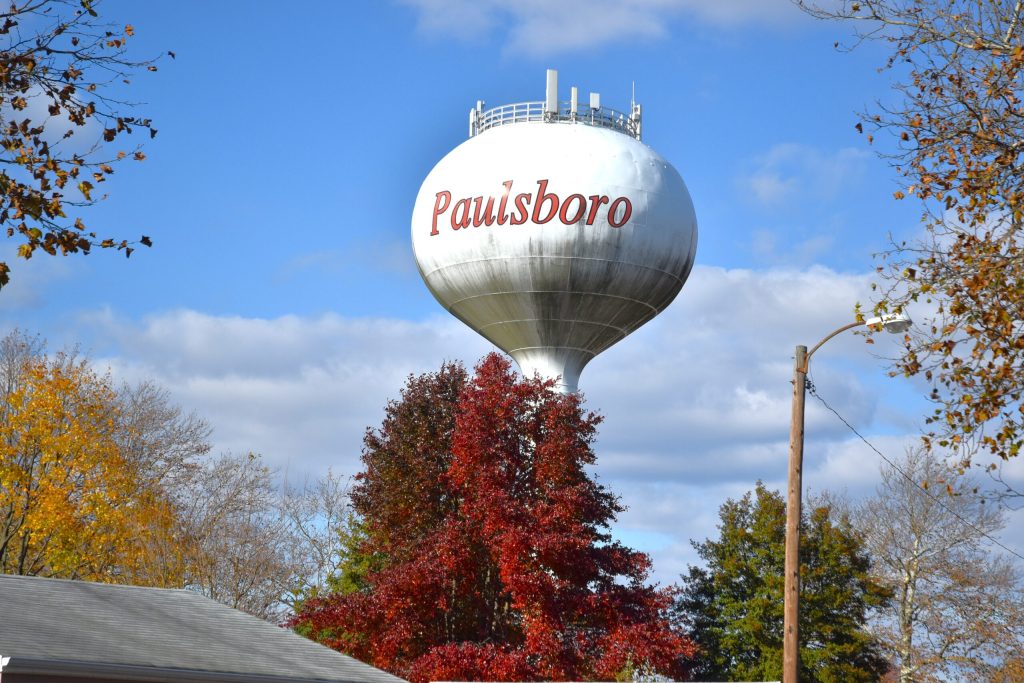
Paulsboro and the Delaware River Corridor
Paulsboro is one of New Jersey’s most prominent PFAS hotspots due to decades of chemical manufacturing along the Delaware River, particularly at the former DuPont Chambers Works facility. Legacy industrial discharges and waste handling practices led to PFAS contamination in soil, groundwater, and nearby water systems. In the 2009 study, PFNA was found in a public drinking water supply well in Paulsboro, Gloucester County, at the highest level ever reported in drinking water worldwide at that time.Elevated levels of compounds such as PFOA and PFOS were later detected in local drinking water, prompting treatment upgrades and alternative water supplies.
Paulsboro illustrates how historical industrial activity can create long-lasting PFAS contamination with implications for both local communities and downstream regions.
02
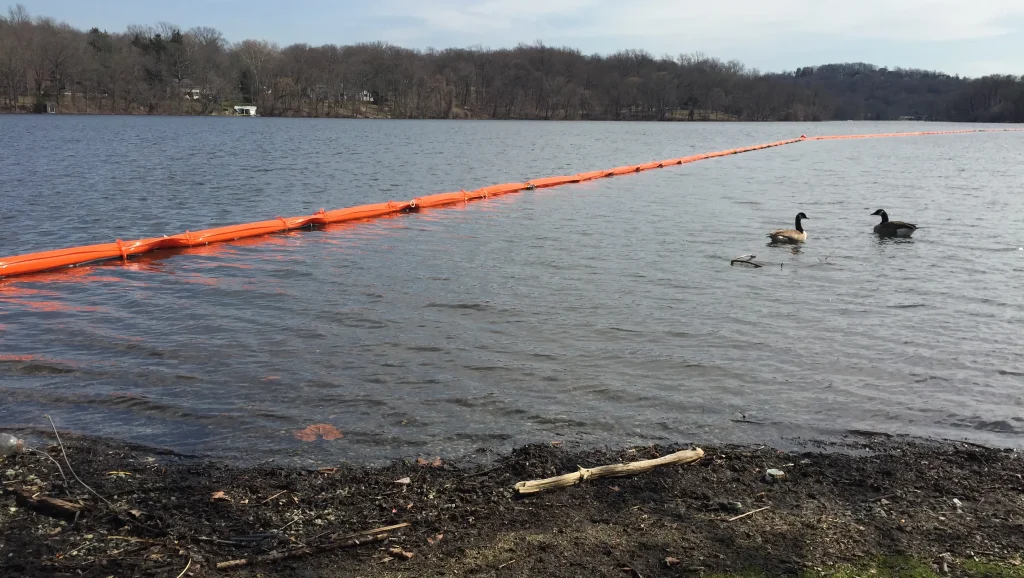
Pompton Lakes and Legacy Industrial Pollution
Pompton Lakes represents a well-documented PFAS hotspot linked to historical industrial operations near residential neighborhoods. DuPont, Chemours, and Corteva agreed to a settlement of up to $2 billion with New Jersey over PFAS contamination, which includes remediation at the Pompton Lakes Works site in Pompton Lakes and Wanaque, one of the state’s designated cleanup areas.
Pompton Lakes highlights the challenges of addressing PFAS in groundwater systems, where contamination can persist for decades and affect communities long after industrial activities have ceased.
03
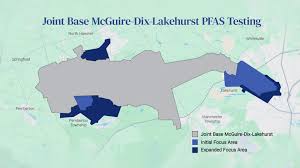
Joint Base McGuire-Dix-Lakehurst
Joint Base McGuire-Dix-Lakehurst, have been identified as PFAS hotspots due to the long-term use of aqueous film-forming foam (AFFF) for firefighting training. Repeated applications of AFFF released PFAS into soil and groundwater, sometimes impacting nearby public and private water supplies. These sites raise complex regulatory and accountability questions, as contamination is tied to federal military activities.
Military-related PFAS hotspots demonstrate that significant contamination can arise not only from industry, but also from institutional and governmental sources.